

India’s agricultural industry is undergoing rapid modernization, and one of the most crucial areas of improvement is post-harvest grain management. As the country continues to be one of the world’s leading producers of rice, wheat, maize, and pulses, the need for efficient, hygienic, and long-lasting Grain handling and storage systems in India has grown tremendously. Modern technology, automation, and high-quality steel structures are now replacing traditional godowns, open storage yards, and manual grain movement methods.
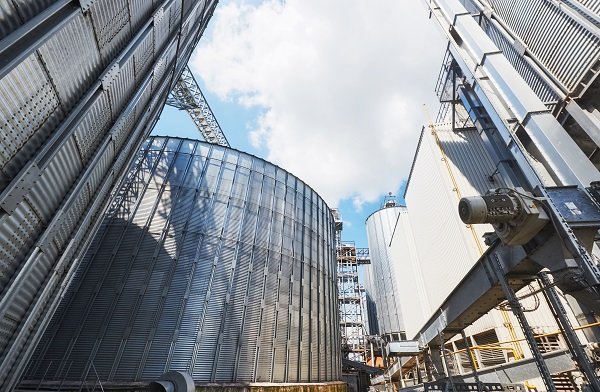
Rising Demand for Modern Grain Handling Solutions
The efficiency of grain movement—from unloading to cleaning, drying, conveying, and storage—has a direct impact on both grain quality and market value. India faces significant post-harvest losses each year due to outdated systems, moisture exposure, pest infestation, and improper handling practices. To combat these issues, industries and government agencies are investing heavily in advanced equipment such as bucket elevators, chain conveyors, silo unloaders, aspiration systems, belt conveyors, and automated control panels.
Modern grain handling equipment ensures faster, safer, and contamination-free transfer of grains. The integration of high-capacity conveyors and elevators reduces manual labor, minimizes breakage, and enhances operational speed in rice mills, flour mills, grain terminals, feed plants, and government procurement centers.
The Importance of Reliable Storage Infrastructure
Grain storage is more than simply keeping grains in one place. It involves protecting them from moisture, heat, insects, rodents, and microbial activity. Traditional warehouses often fail to meet these requirements, especially during monsoon seasons or in regions with high humidity. This is why steel silos have become the preferred choice for long-term grain preservation.
Steel silos offer superior advantages such as airtight sealing, uniform temperature control, fumigation safety, and long operational life. They allow better inventory management and can store thousands of tons while occupying minimal land area.
Hopper Bottom Silos
Among various silo designs, Galvanized steel hopper silos in India have gained substantial popularity, especially for projects where quick grain discharge and frequent load movement are required. These silos are installed on a conical hopper bottom, which allows gravity-based unloading without the need for additional sweeping equipment. They are ideal for seed storage, feed plants, drying operations, and short-term grain holding.
Hopper bottom silos are typically constructed using high-tensile galvanized steel sheets, ensuring resistance to rust, environmental damage, and structural wear. Their elevated structure prevents waterlogging, improves ventilation, and makes them perfect for regions prone to heavy rainfall.
Learn More :–Grain Storage Silo Manufacturers
Key Benefits of Hopper Silos
1. Faster Grain Discharge
The conical bottom enables complete and efficient emptying through gravity, reducing time and labor compared to flat-bottom silos.
2. Hygienic and Pest-Free Storage
Elevated platforms and sealed construction minimize pest entry and prevent moisture accumulation.
3. Low Maintenance
Galvanized steel sheets ensure long-term durability with minimal upkeep, making hopper silos cost-effective.
4. Ideal for Short-Term Storage and Processing
Hopper silos are perfect for blending, drying, cleaning, or temporarily holding grain before moving it to larger storage structures.
Role of Advanced Technology in Grain Storage
Automation is becoming an essential part of modern grain infrastructure. Temperature sensors, moisture meters, level indicators, aeration fans, and PLC-based systems ensure real-time monitoring of grain condition. This reduces human error and enables timely corrective action.
Furthermore, high-capacity conveyors allow smoother movement of grains from trucks to silos and from silos to processing units. Dust control systems help maintain cleanliness and reduce contamination risks.
Conclusion
India is witnessing a major shift toward technologically advanced grain management solutions. From high-capacity grain handling equipment to steel silos designed for long-term preservation, the country’s agricultural infrastructure is transforming rapidly. The adoption of modern systems ensures better grain quality, reduced losses, and higher profitability for millers, traders, and food-processing companies.
As demand for efficient storage rises year after year, hopper bottom silos, flat bottom silos, and automated grain handling lines will continue to play a central role in strengthening India’s food supply chain and improving post-harvest management.